Brakes
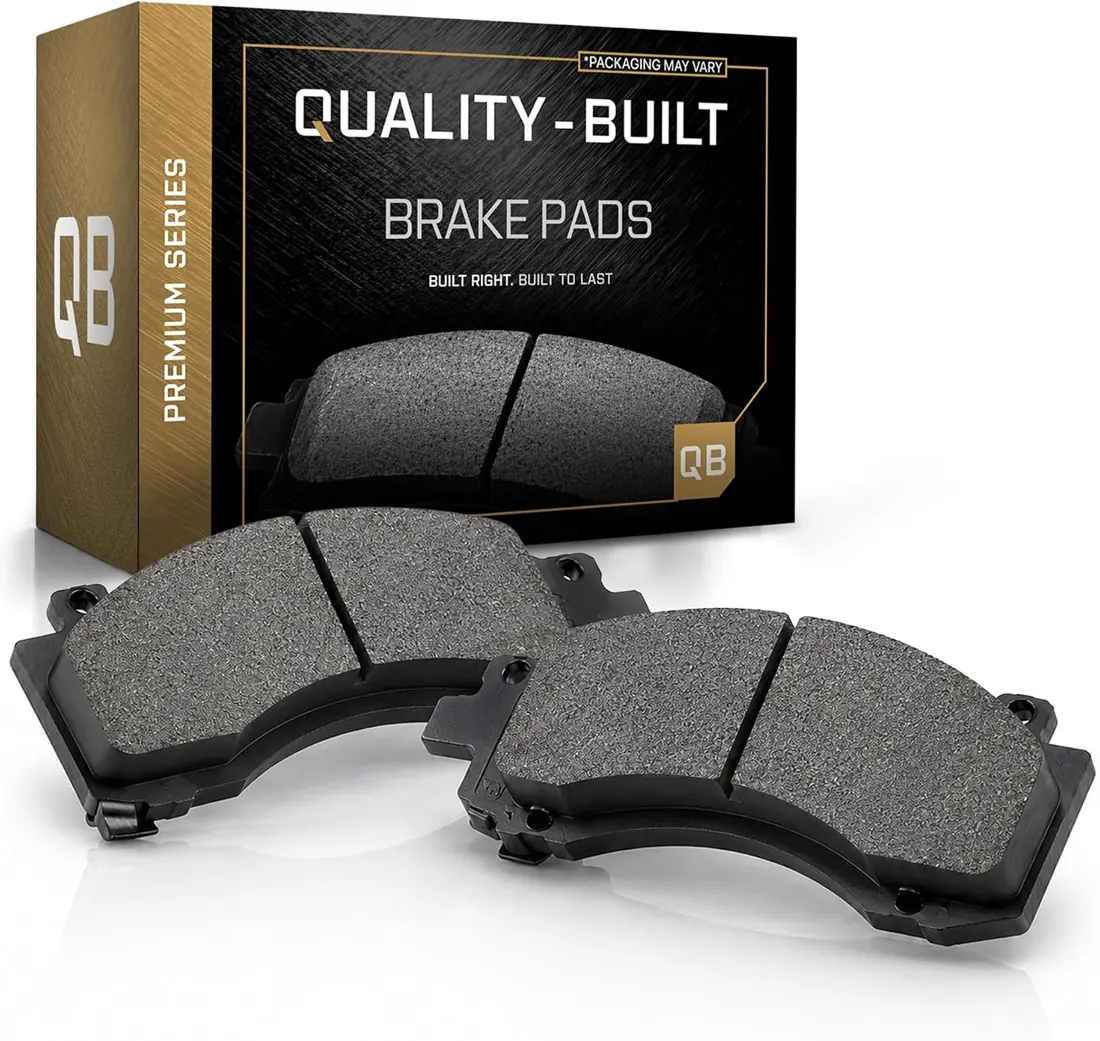
Quality-Built Premium Front Brake Pads for Honda (2000-2011)
Front wheels (both sides)$43.99
View details
Diagnose & repair
Brake pads are a wear item by design — they're meant to be replaced, usually every 25,000-65,000 miles depending on your driving style, vehicle weight and pad material. The tricky part isn't the job itself, it's catching the timing before the pads wear down to metal and start damaging the rotors underneath.
Most pads have a small metal wear indicator that produces a thin, high-pitched squeal at low speed once the pad material gets thin — that sound is designed to get your attention, not something to ignore. If you hear a deeper grinding or scraping noise instead, the pad is already worn through and metal is contacting the rotor, which is more urgent and more expensive to ignore. A brake pedal that feels like it's sinking lower than it used to, or a noticeably longer stopping distance, are also worth a look.
Replacing pads is one of the more beginner-friendly brake jobs: lift the car and remove the wheel, unbolt the caliper (it usually just needs to swing aside, not be fully disconnected), slide the old pads out, compress the caliper piston back in to make room for the new, thicker pads, and reinstall everything in reverse. Budget an hour or so per axle the first time.
A high-pitched squeal when braking (a built-in wear indicator on most pads), a grinding metal-on-metal sound (pads worn past the indicator, contacting the rotor directly), a longer stopping distance, or a pulsing brake pedal are the clearest signs. Visually, less than about 3mm (1/8") of pad material left is a good time to replace them.
On most cars, yes — it's one of the more approachable DIY brake jobs: jack up the car, remove the wheel, unbolt the caliper, swap the pads, compress the caliper piston, and reinstall. You'll want a C-clamp or caliper tool, a jack and jack stands, and basic hand tools. If your rotors are also scored or below minimum thickness, replace those at the same time.
Not necessarily. If the rotors are still within spec thickness and free of deep grooves or heavy rust ridges, resurfacing or reusing them with new pads is fine. If you've been driving on worn-through pads (metal-on-metal) for a while, the rotors are almost always damaged and need replacing too.
This is usually warped or unevenly worn rotors, not the pads themselves — often caused by overheating (aggressive braking, towing) or uneven torque when the wheel was last installed. New pads alone won't fix a pulsing pedal if the rotors are the cause.